The Real Foodie

Chocolate Easter Eggs
P1190416

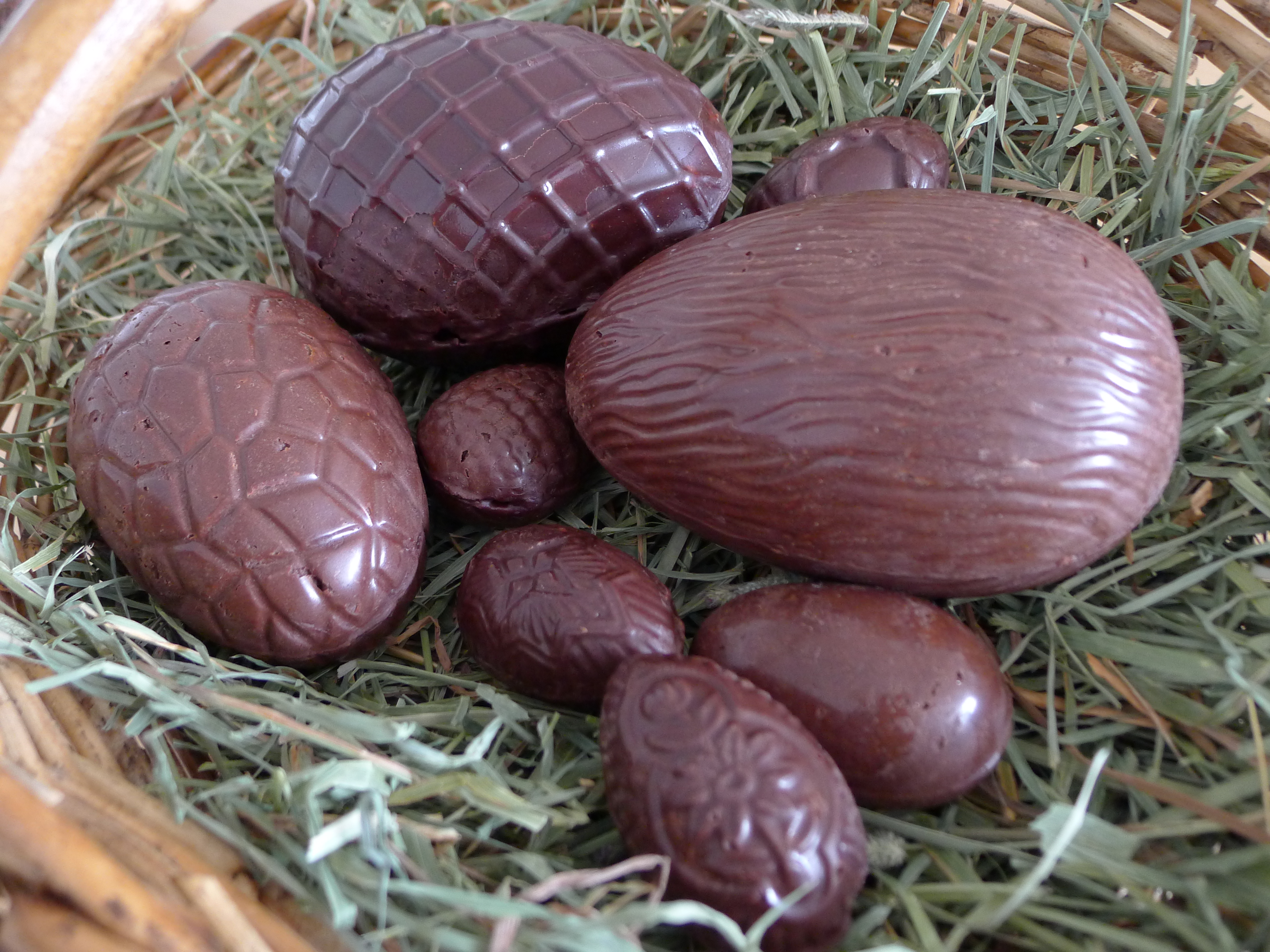
I have always loved holiday traditions as a means to be creative, decorate and learn about the way different cultures celebrate. Easter was one of my favourite holidays as a child. My father would organise elaborate Easter egg hunts for us in the garden and I would always dye and paint Easter eggs. A child at heart, I am thrilled now that I have my own daughter to be able to re-live the dreams of my childhood with her. This was the first Easter in which Olivia was old enough to interact so I made the most of it and got creative, making many different types of Easter eggs. I bought Amish pastured blue Araucana eggs from BM Organics to decorate with (and then eat!); I blew out conventional white eggs to dye with vegetable dye and let Olivia paint them with watercolours; I made papier mache eggs and filled them with soaked cashew nuts and a toy mouse; and I made chocolate Easter eggs using egg moulds.

I wanted Olivia to be able to enjoy eating her first chocolate Easter egg without my worrying about the sugar and additives usually found in store bought chocolate eggs (such as GMO soy lecithin), so I found and modified a recipe for chocolate sweetened with honey from the blog Our Nourishing Roots:

Handmade Chocolate

3/4 cup organic cocoa butter
3/4 cup organic cocoa powder
6 tablespoons raw organic honey
scraped seeds from 1 vanilla bean
1 teaspoon organic vanilla extract

In a glass bowl set over simmering water, melt cocoa butter completely. Turn the heat off and using a whisk, add cocoa powder gradually and incorporate completely until there are no lumps. Add honey, vanilla seeds from scraped vanilla bean and vanilla extract; whisk until smooth. Let cool, stirring every 10 minutes.

I learned through trial and error that the brand of cocoa butter is very important for the taste. I wrote to Kendahl from Our Nourishing Roots to ask her for the brand she recommended, as the link on her site wasn’t working at the time and she recommended this one.

The recipe says it should take no longer than 30 minutes to cool before pouring into moulds but I found although it cooled quickly, I wasn’t able to make hollow eggs until it was starting to solidify because the chocolate wouldn’t form a layer to the mould if it was too liquid; it would just run off the sides collecting at the bottom. I had to put the bowl of chocolate in the refrigerator to speed up the cooling and just as the edges were hardening, I took it out. Using a paint brush and my fingers I would form a 1/4″ layer of chocolate around the mould to make sure the egg would be hollow but solid enough to stay strong. There was a narrow time frame between too liquid and too solid because if it was too solid, the chocolate would form pockets of air in the designs of the mould. I left some extra chocolate in the bowl to use for sticking the mould halves together. I put the moulds with the chocolate in the refrigerator and once they cooled, pressed them out gently. I melted the remaining chocolate in the bowl over boiling water and using a paint brush, painted the liquid chocolate along the edge of each egg half and stuck them together. You can buy foil candy wrappers online to wrap them with but I didn’t think about this in advance, so I cut squares out of plastic food bags (which is not ideal as I am against plastic and haven’t used a plastic food bag or plastic wrap in many years; but this was an exception) and wrapped each egg in the plastic, gathering the bag at the top and tying it with ribbon, to hide in the garden for Olivia and her cousin Kayden’s Easter egg hunt. Another idea would be to fill the hollow eggs with a small treat such as a nut or a toy or make a cream filling like my old junk food favourite, Cadbury’s Creme egg.

I wasn’t sure how Olivia would react to her first taste of chocolate but the eggs were a huge success! I have never seen her devour something so fast, shoving the entire egg in her mouth at once and barely tasting it before asking for ‘mo’!
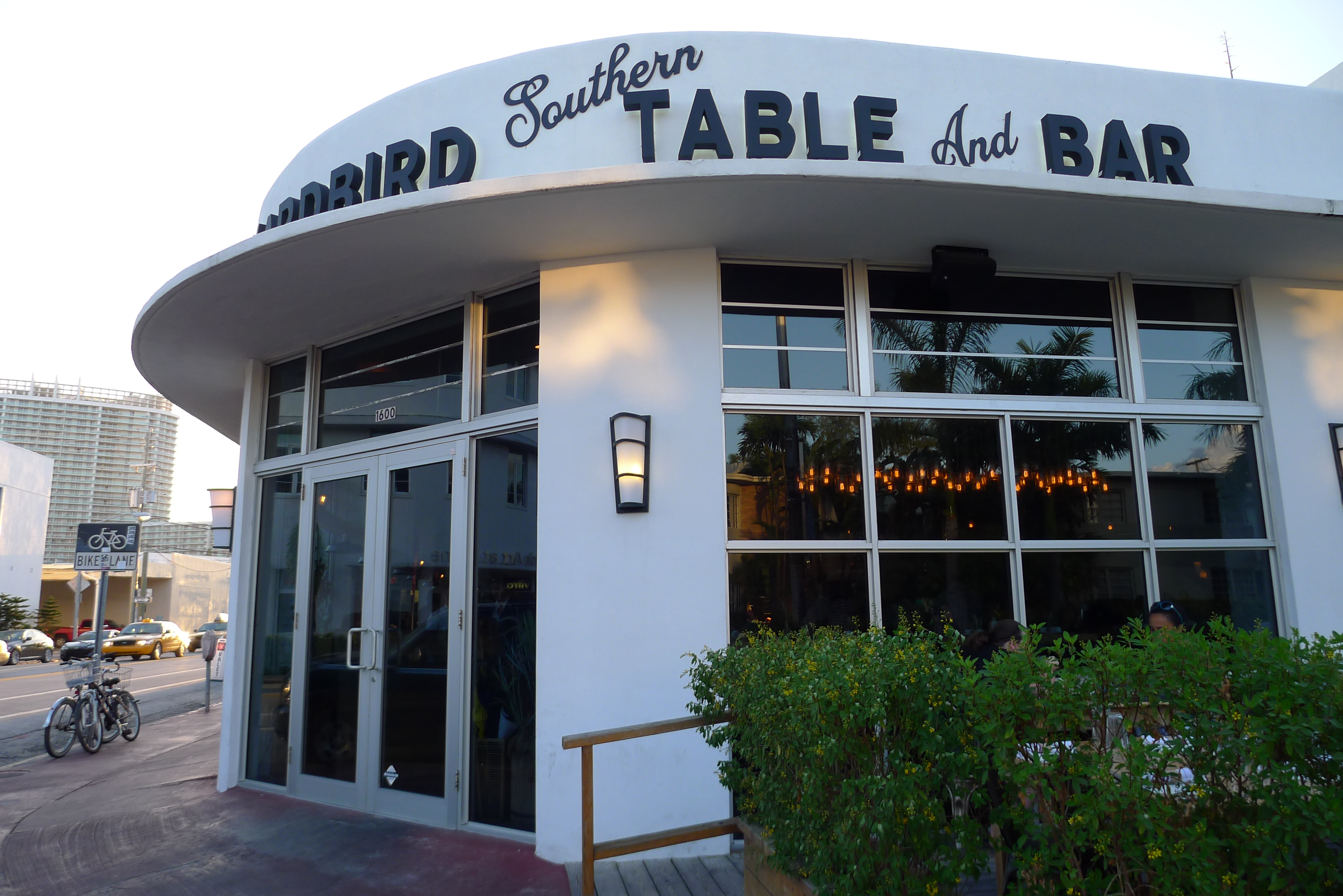
Yardbird Southern Table and Bar, Miami Beach

P1240378

I was so excited when this southern style restaurant opened in October 2011 in South Beach, where there was not one restaurant that served real food, I could hardly wait. I waited for months after passing it by each day, still under construction. I could tell it was going to be a farm-to-table restaurant by the style of the graphics they used for their shopfront sign and window posters and though I was being overly optimistic (in hopes of a change in the area), I was miraculously right in the end!

The only other restaurants we would go to before Yardbird Southern Table & Bar opened were Sustain Restaurant which closed in May 2012, Michael’s Genuine Food & Drink or Harry’s Pizzeria (both the same owner) who also get most of their ingredients from local, organic farms, but coming from New York City, this selection was very limited. (We later started going on a weekly basis to BM Organics in Fort Lauderdale which is by far our favourite restaurant of all time and has a standard of food beyond any other restaurant I have been to because they source a hundred percent of their ingredients from local organic or Amish farms in Pennsylvania and strictly adhere to the principles of the Weston A Price Foundation.)

Yardbird Southern Table & Bar have become a huge success; they are busy every night and it is impossible to get a table on a weekend night (unless you are a regular like we are). They fry their pastured chickens in lard (their fries unfortunately in canola oil unless you ask for lard) and the majority of their food comes from local, organic farms. They are not a hundred percent organic (I discovered one time after eating their Adluh stone ground grits that they were GMO and they use conventional mayonnaise for their devilled eggs) but if you choose carefully you can have a real food meal, which is priceless in a town as small as South Beach.

Yardbird Southern Table & Bar was one of the winners of the 2013 Slow Food Miami Snail of Approval.

Update: In May 2012 BM Organics Market closed down. In July 2013 the chef and partner at Yardbird Southern Table & Bar, Jeff McInnis, left and has been replaced by Clay Miller.

Valentine’s Pizza

pizza

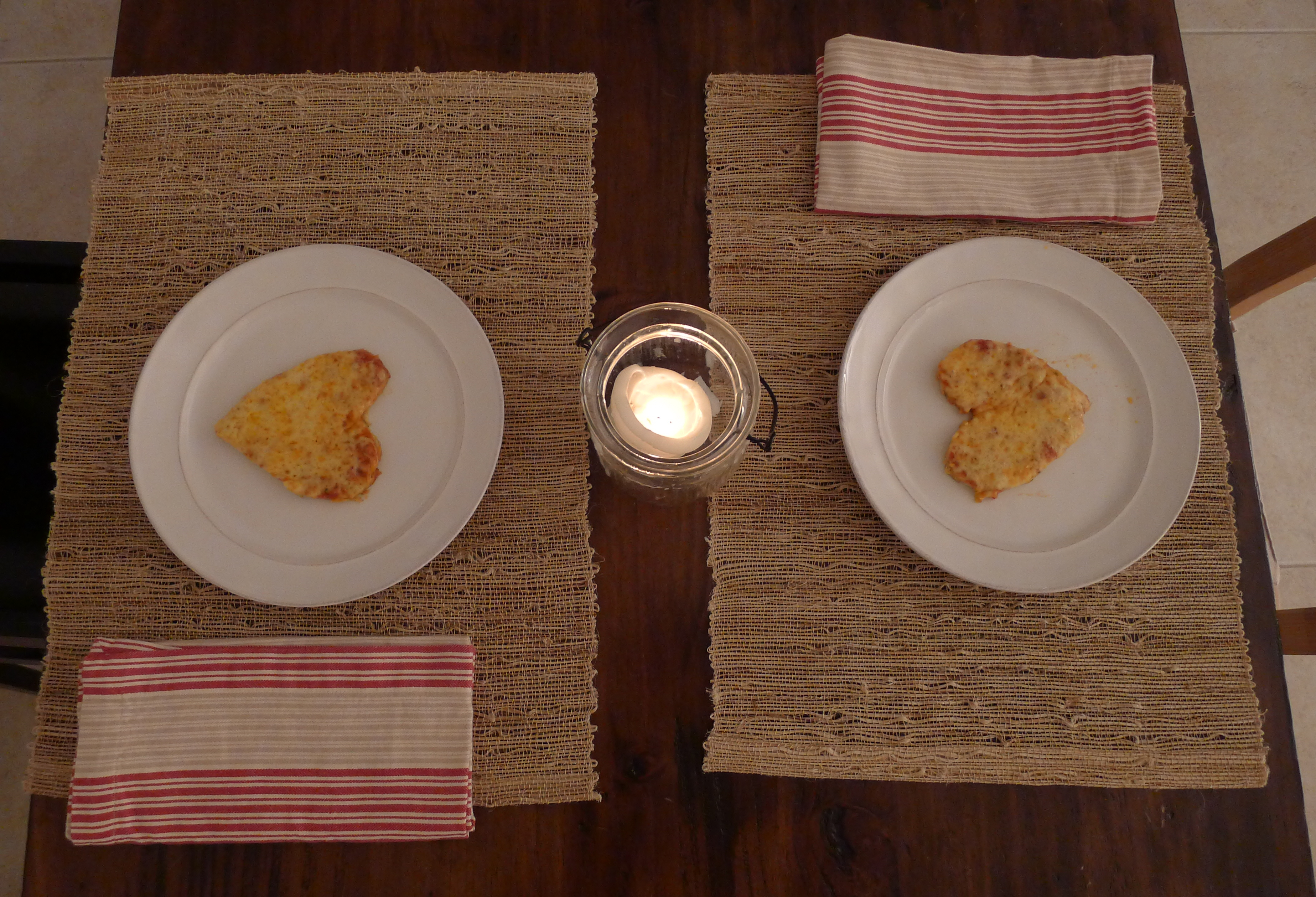
My husband was away on a business trip for Valentine’s day so it was just Olivia and me celebrating together this year. We went to the park and then for a walk on the beach and when we came home we made heart shaped pizzas. Olivia helped me mix the dough and pick the fresh herbs. I set the table with straw woven place mats and red striped cloth napkins and we had our romantic Valentine’s dinner together in candlelight listening to classical music. I couldn’t have asked for a better Valentines day!

Valentine’s Pizza Recipe 

The recipe is adapted from Super Nutrition for babies by Katherine Erlich and Kelly Genzlinger. I used a combination of organic sprouted wheat flour for easier digestibility, arrowroot starch and organic coconut flour. To make a grainless version use only coconut flour and arrowroot starch or for a grain only version omit the coconut flour and starch. When using coconut flour instead of wheat flour more liquid may need to be added to the dough. You can also use store bought whole-grain flour but it should be prepared the night before by soaking 2/3 cup flour with 1 tablespoon yoghurt and 1/4 cup water overnight to make it more digestible and nutritious.

1/3 cup organic sprouted wheat flour

2/3 cup organic coconut flour

1/4 cup arrowroot starch

2 tablespoons softened organic pasture butter, plus more for greasing pan

1/2 teaspoon Himalayan pink salt or sea salt

1 organic pastured egg

1/2 cup organic raw pastured yoghurt (or any other type of liquid such as milk or coconut milk)

handful chopped fresh basil

handful chopped fresh oregano

3/4 cup organic tomato sauce (homemade or store bought in glass jar to avoid BPA from lining of cans)

1 cup grated organic raw pastured cheese

Preheat oven to 350ºF (180ºC). Mix the flour, starch, butter, salt, egg, yoghurt and herbs. If using coconut flour add more liquid (yoghurt or milk) to make it the consistency of dough. Grease a baking pan or cookie sheet with butter or use a baking pan lined with unbleached chlorine-free parchment paper. Spread the dough over the pan about 1/4 inch thick and form into the shape of a heart. Bake the dough for 10 – 20 minutes until it is crispy around the edges. Take out of the oven and first spread the tomato sauce and then the cheese over the top or add additional toppings. Bake for 10 to 12 minutes until cheese is melted and golden. If you want to make mini pizzas for kids you can cut out smaller shaped hearts or use a cookie cutter.

Real Food for Kids

P1130492

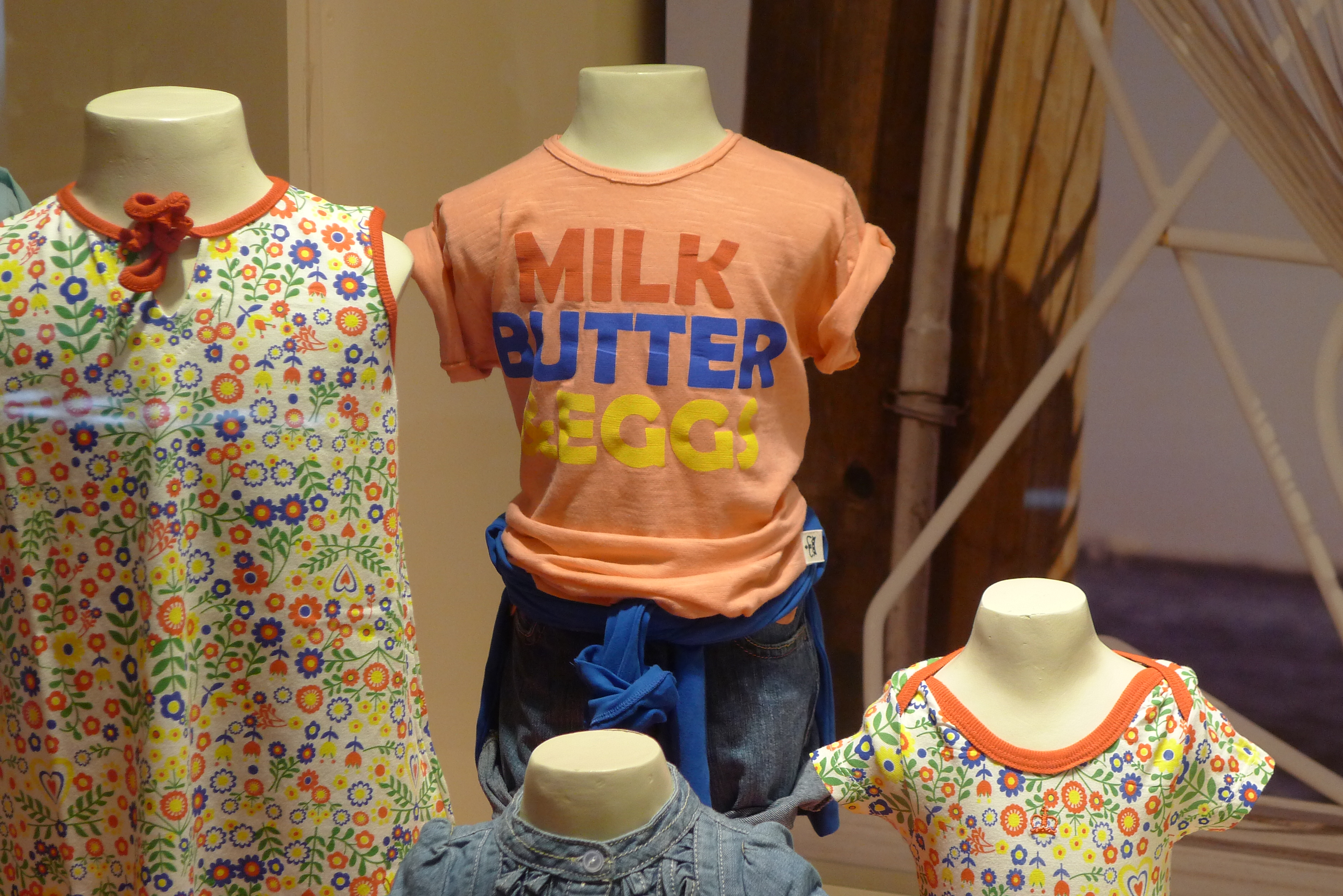
A T-shirt I passed in the window display of a children’s clothing store in Buenos Aires, stating the real foods kids should be eating!

Fish Market Manantiales, Punta del Este, Uruguay

P1110581

Olivia, my husband and I drove up the coast of Uruguay after staying at my husband’s family’s farm, to spend the weekend in the beach town of Punta del Este. While looking for places to have dinner we came across this seafood restaurant which was by far the best restaurant we had been to in the area of La Barra and we loved it so much we returned the next day for lunch. The food was simple, healthy and delicious! The scene was laid back, bohemian chic and it was always packed. It was all outdoor seating surrounded by white and blue agapanthus, a small pond, green picnic tables under a white wooden slatted roof, an open kitchen; and umbrellas and bench pillows decorated with Roberta Freymann’s Roberta Roller Rabbit line of printed fabrics. I ordered a salad of sliced peaches with cherry tomatoes, mint and parsley and a main course of Abadejo: a pollock like fish, cooked a la plancha which came with an amazing side salad of cherry tomatoes, shaved pieces of red cabbage, fennel, carrots, spring onion, dill, parsley and sesame seeds in a lemon vinaigrette.

The next day we came back for lunch with Olivia and ordered the same fish, which she polished off almost entirely and a cold beetroot soup, which came with a firm scoop of mascarpone and crumbled pistachios on top. We left feeling satisfied and nourished, not full and regretful like I usually do after eating out. I will definitely be going back again on our next trip and would highly recommend it to anyone going to Punta del Este.

Save Your Gravy

Real food is too precious for me to throw away so I make sure I use up everything before it goes bad, rarely letting any go to waste and I make use of leftovers. With leftover rice I use it the next day to fry with an egg yolk for Olivia; and I use leftover oatmeal to make fried mush from the Nourishing Traditions cookbook or my own savory version of fried mush, omitting the maple syrup and adding grated cheese instead. I use the end pieces of a loaf of bread to make breadcrumbs and I cut up leftover roasted chicken to make chicken salad with mayonnaise. Leftover bones become stock and I skim off the fat to use again for frying.

One very precious leftover is gravy. It is a concentrated form of all of the nutrients from the pastured meat and contains a lot of gelatin. After my family Thanksgiving I saved the gravy left in the pan from the White Oak Pastures chicken my mother roasted which she wanted to throw away. Today I sauteed finely chopped potatoes in the gravy and its fat to make deliciously nutritious hash browns. Here’s how:

1. Cut potatoes finely.

2. Using a medium sized sauce pan fry the potatoes uncovered on a medium to high heat in leftover gravy, including the fat, till it boils.

3. Keep boiling uncovered on a medium to high heat until the potatoes are soft and all of the gravy evaporates leaving just the fat.

4. Using a fork to allow the fat to drip off, remove the potatoes from the pan and serve.

Lunch at Yardbird

P1030900

After two days without power from the after effects of hurricane Sandy which flooded our basement, I thought Olivia needed a more varied diet than just fruit, raw yoghurt, avocado and raw cheese. Although it is important that a large percentage of one’s diet be made up of raw food, which is filled with many enzymes and nutrients that are destroyed through the cooking process, the fats found in pastured meat and minerals in bone broths are essential to health. So we went to one of the few restaurants in Miami that we go to, Yardbird Southern Table and Bar which serves mostly local or organic food (but not one hundred percent—the reason it is not my favourite—check out which is).

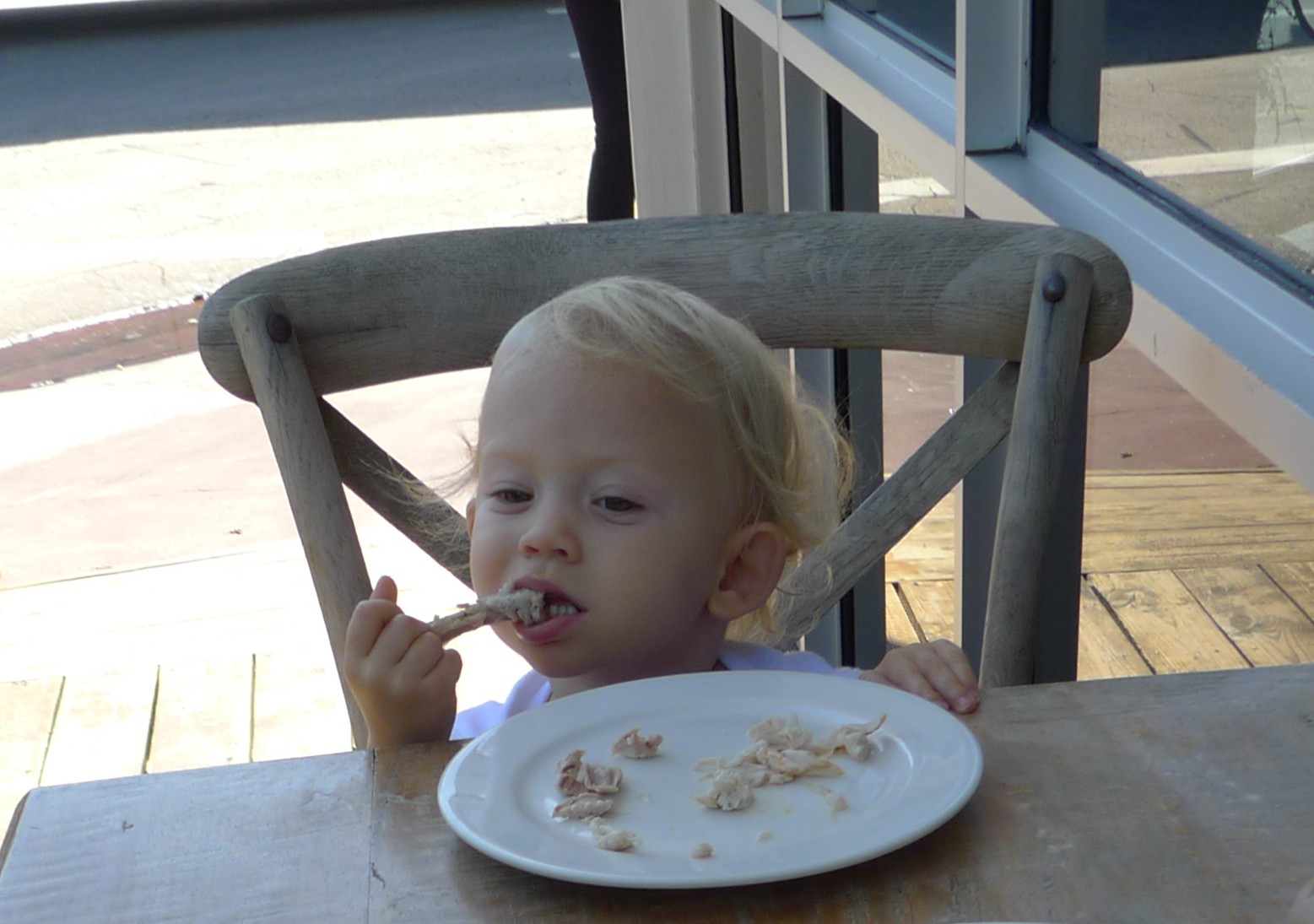
Olivia must have been craving some protein and healthy fats because she happily made her way through an entire plate of pastured chicken from White Oak Pastures and she had her first taste of fish roe taken off the top of my deviled eggs, which she enjoyed the look of but made a cringing face once the fishy taste exploded in her mouth. She finished off with some pickled cucumbers, which she loved as always. I felt much better as we went back to our dark and cold apartment, knowing she’d had a more full, varied and nutritious meal.

Trackside Cafe

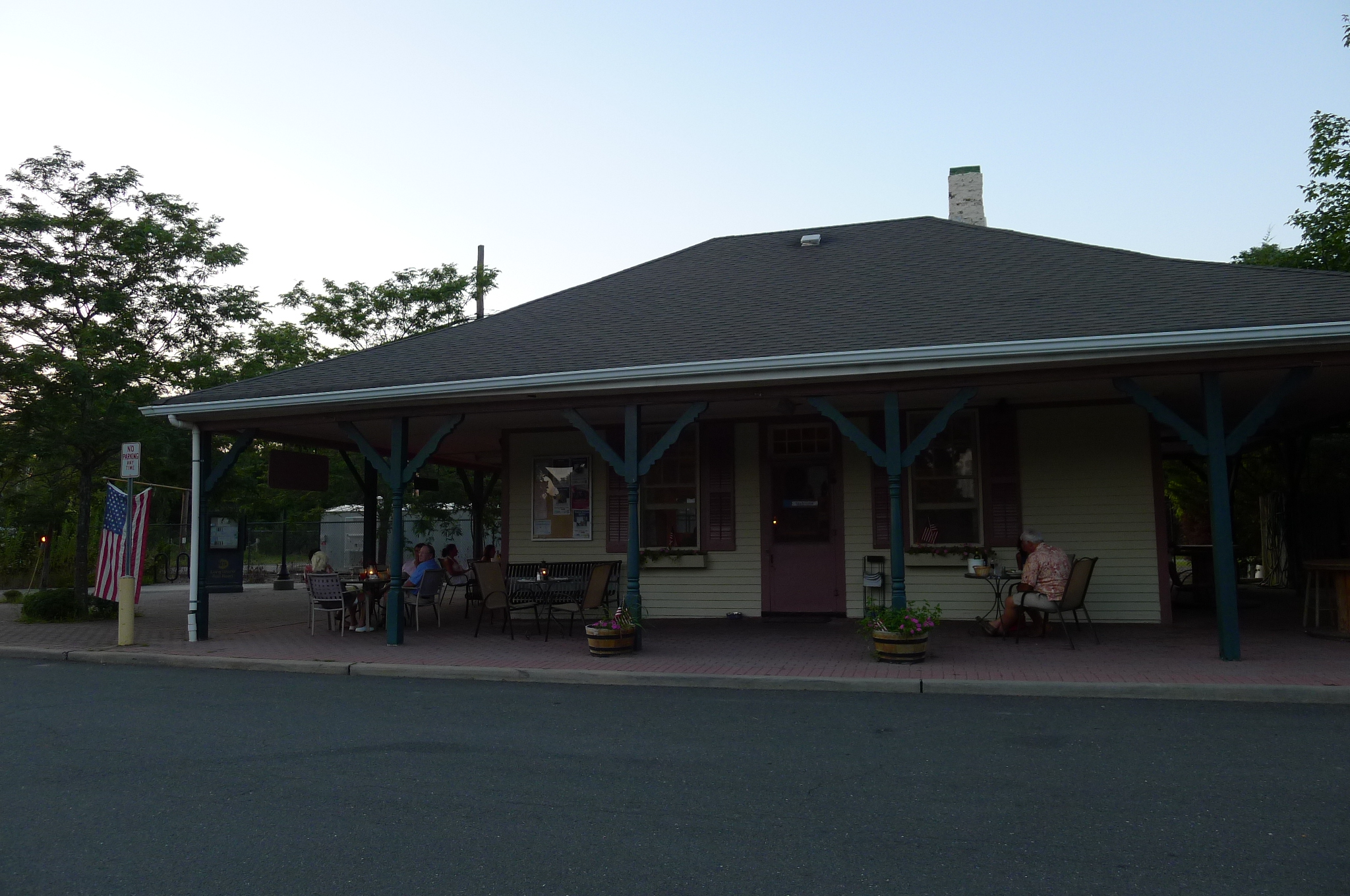
I stumbled upon this adorable historic station house converted to a restaurant in Speonk, Long Island, while picking my husband up from the train station. After looking at the menu and reading that they used local ingredients, we decided to stop and have dinner. I was pleasantly surprised by how good it was!

They are only open for dinner on Thursday and Friday nights with a special prix fixe menu. The rest of the time they are open for breakfast and lunch only. I started with spanakopita and tzatziki sauce, followed by a salad with blue cheese and a main course of roast Long Island duck with lingonberry sauce and wild rice, all of which were delicious. I wanted to stay for desert and try one of their homemade pies but it was getting late and Olivia wouldn’t allow it. The setting was beautiful with tables both inside and outside, lit only by candlelight and there was the occasional train passing by. It felt as if not much had changed since it was first built in the late 1800’s and reminded me of the cafe from the film I loved as a child, Fried Green Tomatoes. The owner was very friendly and sat next to us explaining the history of the station house. He was a cool guy with good taste who obviously had a love for old things and drove a vintage car. It is my dream to open a cafe like his.

I went back a few days later for breakfast after checking out their Facebook page to try their eggs from their own hens and homemade English muffins but was disappointed to find that they were ‘out of’ both. I settled for a banana bread pudding/French toast which was good but probably made from conventional bread, as it appeared the breakfast menu items mostly were. I didn’t ask as I didn’t want to stress myself out after having already eaten it. If only all of their food was local and organic. I will definitely, however, return for dinner someday.

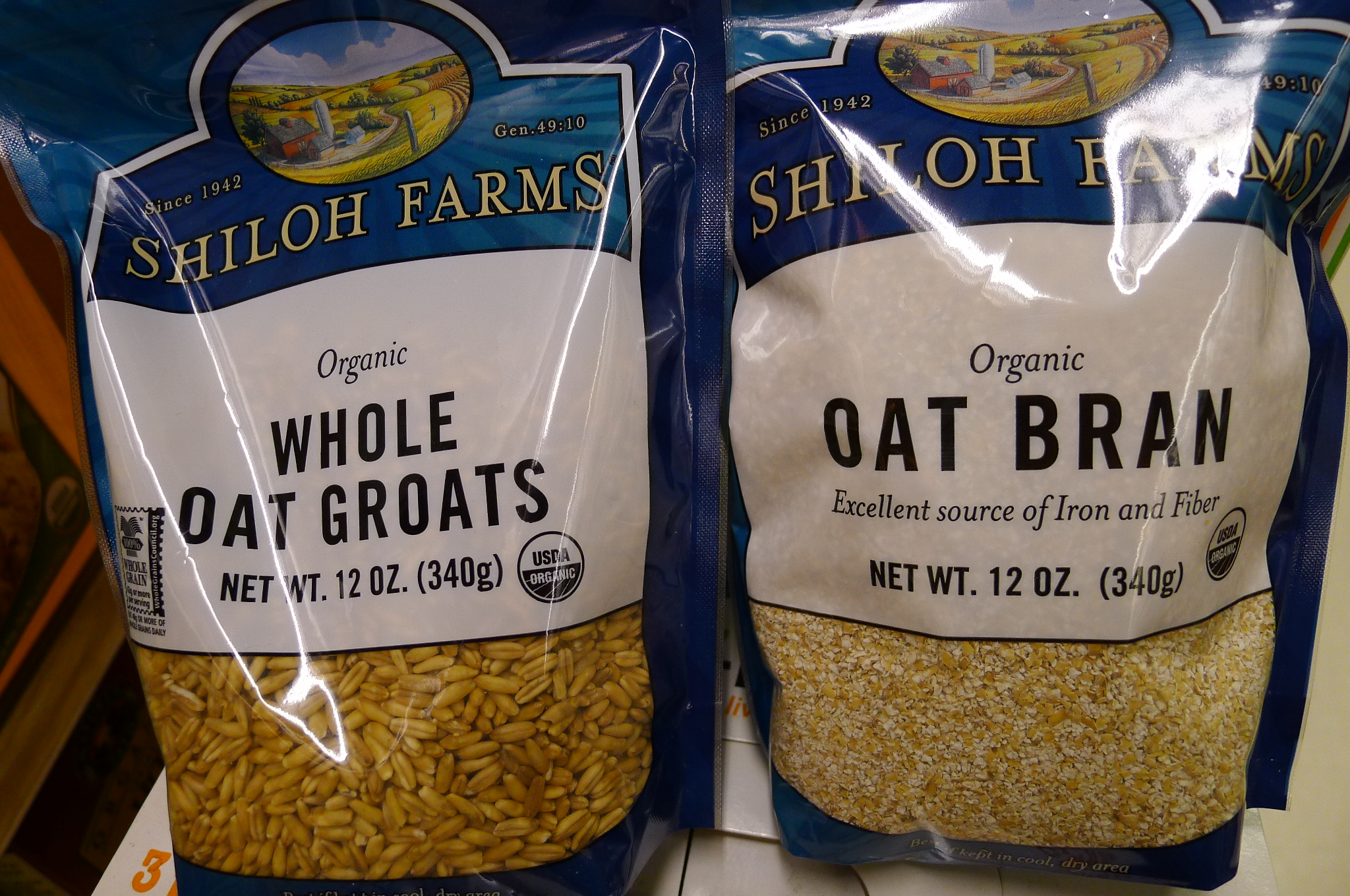
Whole Oats?

I was excited to buy these whole oat groats with the intention to sprout them to neutralize some of the phytic acid. I assumed that if they were whole and from a good small farm brand like Shiloh Farms they must not be heat treated, after having learned that most commercial oats are heat treated to preserve shelf life and therefore will not sprout. I was wrong! I called the company to ask and they were in fact heat treated. I did more research on phytates in grains and discovered that rolled oats are the lowest in phytates because rolling removes part of the bran which has the highest amount of phytic acid.

The subject of phytates is complicated and I am still not sure how healthy it is to eat any grains at all, so I only eat them on occasion. It is also very time consuming to soak the grains overnight or longer, or to sprout them and not worth it if only part of the phytic acid gets removed. For now I will stick to the sprouted oats I’ve been using by Living Nature, which I like because I can decide in the morning if I want to have oatmeal instead of having to plan a day in advance. I also don’t like the sour taste that soaking in water with yoghurt gives the oats. I used to boil my previously soaked oats in water and then add butter but it is much tastier to boil the sprouted ones in whole, grass-fed, pasteurized, unhomogenized milk, which is one of the rare exceptions when I use pasteurized milk, as the enzymes already get destroyed through the cooking process.

Pantrepant Farm, Jamaica

P1190127

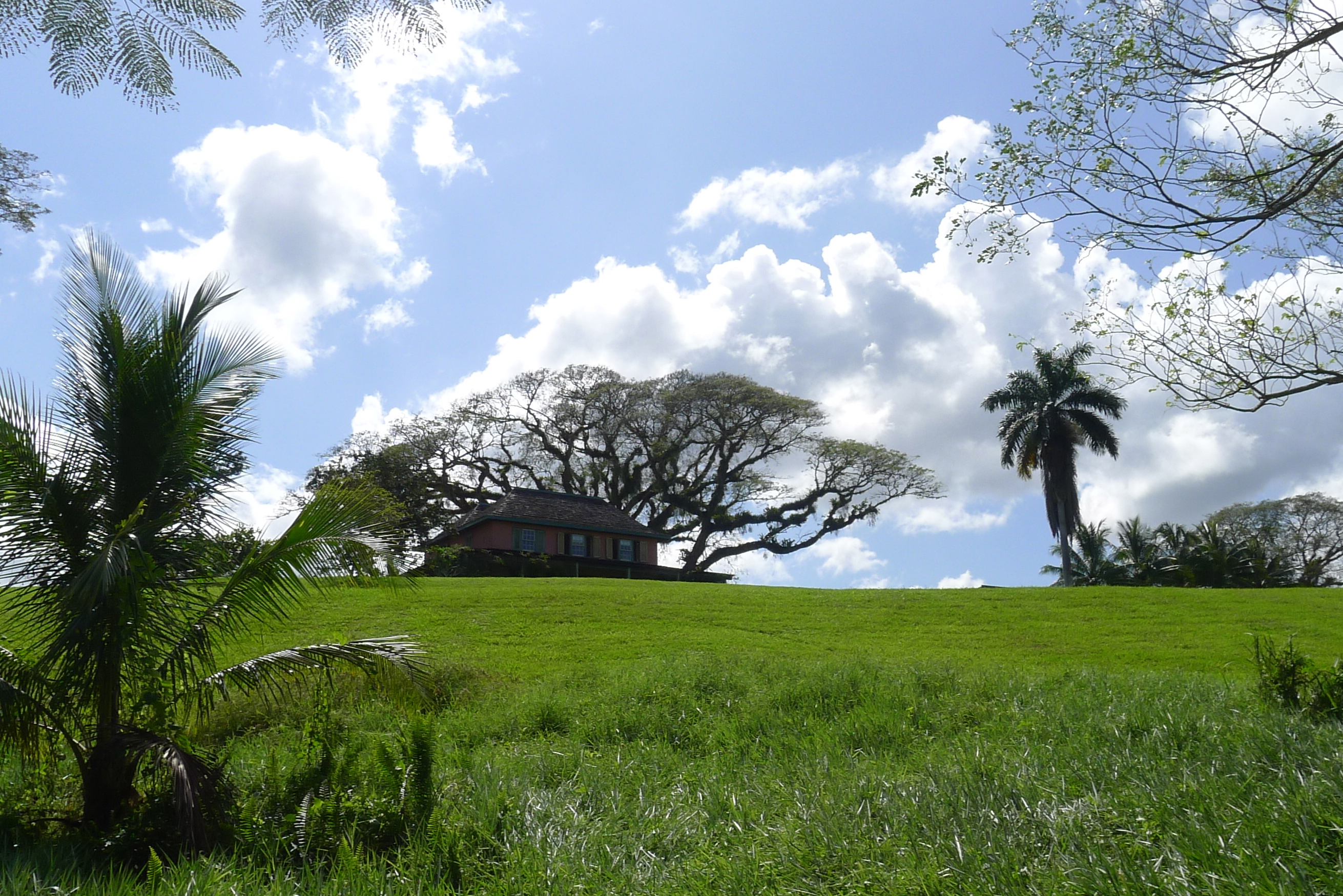
During my last trip to Jamaica I was invited to Pantrepant Farm, a beautiful and serene 2,500-acre organic farm in the hills of the Cockpit Country along the Martha Brae river and the home of Island Records founder, Chris Blackwell. It was a memorable day, which began with a bathe in a natural swimming hole, followed by a delicious four course farm-to-table lunch and ending with a tour of the organic farm.

The colonial house had a wrap around porch which overlooked the hills in the distance. It was rustic and beautifully decorated with colourful paint, local wooden carvings and hand printed African textiles from Chris Blackwell’s late wife’s Royal Hut line of interiors. My background being in textile design, this was a delight to my eyes. Everywhere I looked was like a photograph taken from an interior design coffee table book, with the hand printed textile theme throughout: on the trim of the towels, the napkins, table cloths, the wicker chair pillows, four hanging umbrellas, even the staff wore brightly printed matching dresses instead of the usual drab uniforms.

We were greeted with a glass of either rum punch or coconut water and crackers with Solomon Gundy: a traditional Jamaican spicy smoked red herring paté. Once I realised that the jugs on the tables which I thought were filled with just plain water, were actually filled with fresh coconut water, I knew I was in heaven. After drinks we went swimming in the river’s magnificent swimming hole with water the colour of jade. My seven month old baby answered my prayers as she always does and was an angel from start to finish, happily being the centre of attention when she was awake and falling asleep just in time for me to be able to enjoy lunch. I laid her across two chairs with a sarong over her and she slept soundly under the shade of a huge guango tree next to the table throughout the entire lunch.

The lunch was a variety of freshly picked vegetables with lettuce, jerk chicken, rice cooked with callaloo (a type of Jamaican kale) and sweet crepes with coconut ice cream for desert, all made from scratch using organic ingredients from the farm. It was the first time I was eating organic food in Jamaica, a moment I had been dreaming about for years, knowing that as delicious as the cooking was, it wasn’t filled with mystery ingredients and was actually nourishing my body.

The reason I came to Pantrepant Farm was because it was my first time in Jamaica with my baby and as I was breastfeeding, I was in a dilemma as to what to eat, knowing that the word organic in Jamaica didn’t exist. Most of the food in hotels is imported, the food sold in supermarkets is highly processed and it is hard to find local produce. I have been going to Jamaica all my life as my family own a house there and my mother grew up in Reading. I always loved traditional Jamaican cooking but as I got older and became aware of where our food comes from, with each trip I grew increasingly disappointed with the quality served at restaurants and sold at our community market, making it impossible to avoid eating processed food even when it was cooked at our own house. Jamaica being a land so lush in vegetation (when you drive around the island there are several roadside stands selling local fruits and vegetables) and the food being so good, it always puzzled me that when you go to the hotel restaurants, everything is imported and the menu is American. When I learned about Pantrepant Farm, it didn’t surprise me that it is owned by none other than the brilliant Chris Blackwell, who I have always admired for being an innovator and supporter of the Jamaican community through his local projects and boutique hotels. Now with Pantrepant he is starting the first CSA in the country, creating a model of sustainability through internships and workshops, leading the way towards organic farming in Jamaica.